
Kling is built for video motion
Use Kling AI when the output needs a moving action beat, a short reveal, or a cinematic sequence rather than still-image editing.
Use Kling AI on Ezier to draft action clips, cinematic reveals, and audio-aware motion. Choose a Kling model, check credits, then generate a clip you can review.
Use Kling AI when the clip depends on motion that stays readable: a character crossing a scene, a reveal that lands cleanly, or a short story beat with sound and camera timing.
Create a 6-second 16:9 cinematic Kling AI video of a masked stunt rider racing through a flooded neon tunnel at night. The motorcycle skims through shallow water, reflections stretch across the walls, and sparks fly as the rider leans under a collapsing metal sign. Use a low tracking camera, strong sense of speed, stable rider silhouette, tire spray, engine roar, and a final clean frame as the bike exits into blue daylight.
Open Select Model and choose the Kling option that fits the draft. Use Kling 3.0 when the scene needs stronger cinematic pacing or audio-aware motion; use Kling 2.6 when its cost and timing fit the test better.
Start with the subject, first frame, movement path, camera move, transition, sound cue, and final hold. Keep the first prompt focused on one beat you can judge.
Attach a reference when upload is available. Use it to protect character shape, product detail, costume, scene style, or the first frame instead of adding unrelated mood.
Check the Generate credit estimate before submitting. After generation, review subject stability, camera pacing, scene rhythm, audio fit, and whether the ending frame can be reused.
A stronger Kling prompt names the subject, the movement path, the camera's job, the sound cue, and the exact moment where the clip should settle.

Kling AI is most useful when the viewer can follow the action from start to finish. Tell the model what moves, what stays stable, and where the beat should land.

A short prompt can include setup, transition, and reveal, but it should not become a full script. Keep the sequence compact enough to compare against the next generation.

When audio matters, connect sound to something on screen: impact, breath, room tone, machine movement, crowd swell, or a beat-driven change.
Stay close to the controls you can act on: Select Model, prompt, upload support, settings, the Generate credit estimate, and the result review.
Before judging style, make sure the action travels through the scene in a way the viewer can follow.
If the person, creature, or product drifts between beats, tighten the next prompt around silhouette, costume, color, and distinctive details.
A camera move should clarify the action. If the result feels chaotic, reduce the shot to one track, push, orbit, or reveal.
Ask for a clean hold when the endpoint matters. A strong final frame can work as a thumbnail, edit handoff, or next reference.
Use each Kling generation to answer one review question: did the action stay coherent, did the subject hold together, and did the camera make the beat easier to read?
Use Kling AI when the output needs a moving action beat, a short reveal, or a cinematic sequence rather than still-image editing.
Kling 3.0 is the stronger choice when pacing and audio-aware direction matter. Kling 2.6 can be the better fit when the draft needs a different cost or timing profile.
Build the brief around the prompt, model picker, supported upload, settings, credit estimate, and Generate. Keep the how-to flow tied to choices users can actually make.
A Kling result is worth refining when action continuity, subject stability, camera intent, audio fit, and the final frame are already working.
Kling AI in Ezier
Start with one movement goal, pick the Kling model that fits the draft, then review continuity, pacing, sound fit, and the ending frame before spending again.
Practical answers for choosing a Kling model, writing action prompts, using references, checking credits, and reviewing generated clips.
Write the video brief in the prompt box, choose a Kling model from Select Model, attach a supported reference when upload is available, check the Generate credit estimate, then create the clip.
Describe the subject, starting frame, action path, camera movement, transition, sound cue when useful, and final frame. Keep the first draft focused on one readable motion beat.
Use Kling 3.0 when cinematic pacing or audio-aware direction matters most. Use Kling 2.6 when a shorter listed generation time fits the test, and confirm the credit estimate before generating.
Attach a reference when upload is available. Use it to protect character identity, product shape, first frame, scene style, or composition rather than general mood.
Kling AI is the Kling family page in Ezier. Use it to choose the Kling model that fits the clip's pacing, audio direction, credits, and generation time.
Check whether the action is readable, the subject remains stable, the camera supports the movement, the sound fits, and the final frame can be reused for the next edit.
Choose Kling AI when action continuity, cinematic pacing, or a compact story beat matters most. Choose Veo for Google-style cinematic prompt control, and Seedance for fast multimodal drafts or reference-led iteration.
Next up
Try a nearby video model, open video tools, or prepare a stronger source image.

AI models
Compare models
Choose a better fit before you generate.

AI video tools
Turn images into motion
Animate a still or create a clip.

AI image tools
Create or edit images
Make, clean up, or upscale stills.
Kling 3.0
Action and motion
Use for action, motion, and story beats.
Veo 3.1
Cinematic control
Use for cinematic shots and camera moves.
Hailuo AI
Physical motion
Use for fabric, liquid, and physical motion.
Seedance 2
Reference-led video
Use for fast motion drafts from references.
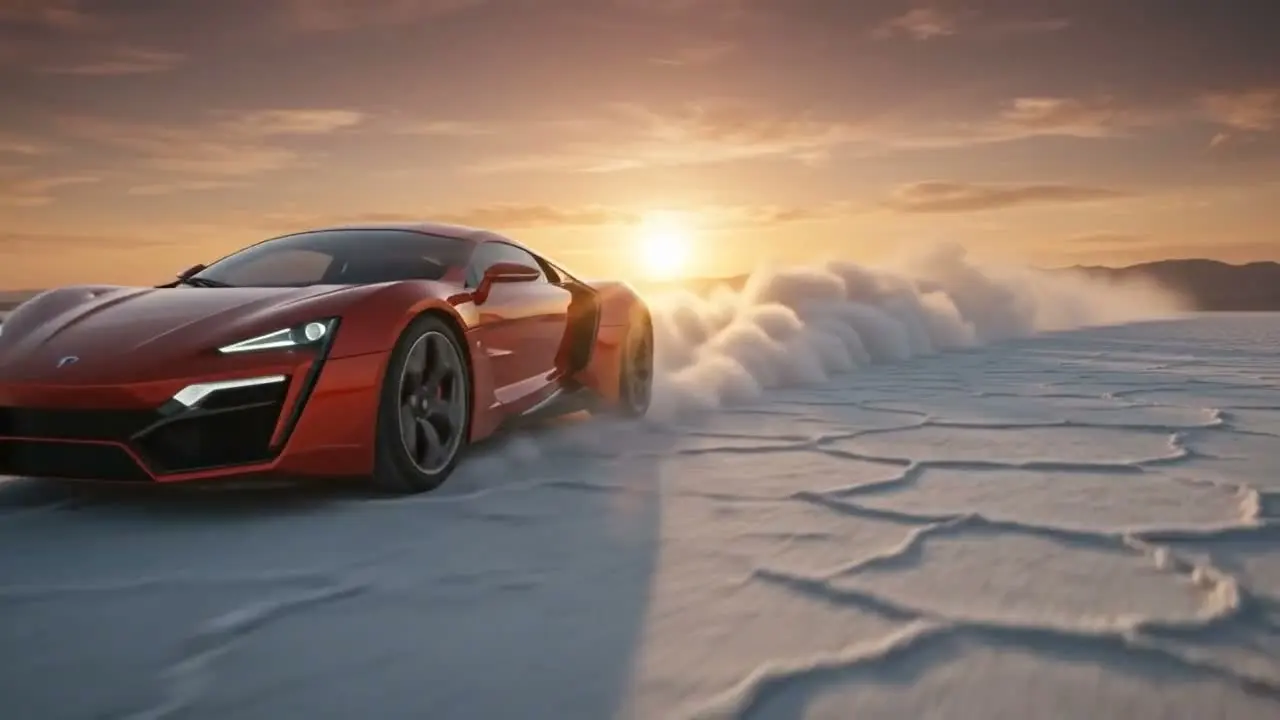
HappyHorse AI
Short video hooks
Use for short hooks and stylized clips.
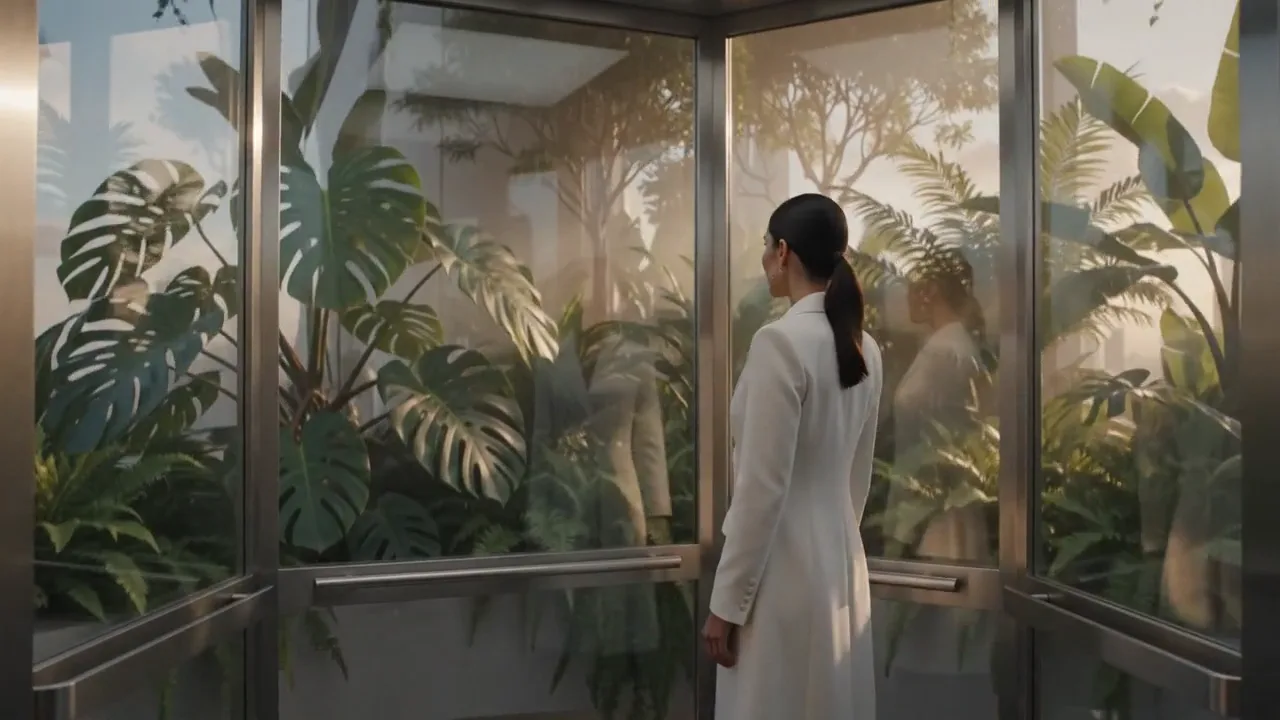
Veo AI
Veo family
Explore more Google Veo options.
AI models
Compare models
Choose a better fit before you generate.
AI video tools
Turn images into motion
Animate a still or create a clip.
AI image tools
Create or edit images
Make, clean up, or upscale stills.
Kling 3.0
Action and motion
Use for action, motion, and story beats.